Our c3 Mini grant experience
From Shovels to Scale: What the c3 Grant changed for alpine roots
When we applied for the C3 Mini Grant last year, we had a pretty simple problem: we had more work than we could reasonably do, not enough hours in the day, and only so much our backs could take.
At the time, a lot of our operation still depended on muscle and improvisation. We mixed our soil by hand, one shovel at a time. Making a single yard of living soil could take about three hours for one person. We were using a personal pickup truck for deliveries and hauling feedstocks, and moving our 1,500-pound IBC totes around the farm sometimes meant waiting for access to the farmer's skid steer.
It worked. Mostly. And we learned alot from the small-scale batches we had been doing- where our bottlenecks were, and what we wanted our end product to look like.
But it was becoming pretty clear that we couldn't build a much bigger business by simply working harder.
So when we put together our C3 application, we focused on the practical things that were getting in our way: a truck, a dump trailer, a soil mixer, equipment for moving materials, improvements to our compost bays, and more IBC totes.
We got the grant, bought the equipment, and spent much of the past year finding out what happens when a small operation finally has some room to breathe.
The soil mixer
The mixer probably had the most immediate effect on the way we work.
Before it arrived, making our living soil meant shoveling ingredients together in small batches. It was slow, physically demanding, and difficult to get perfectly consistent.
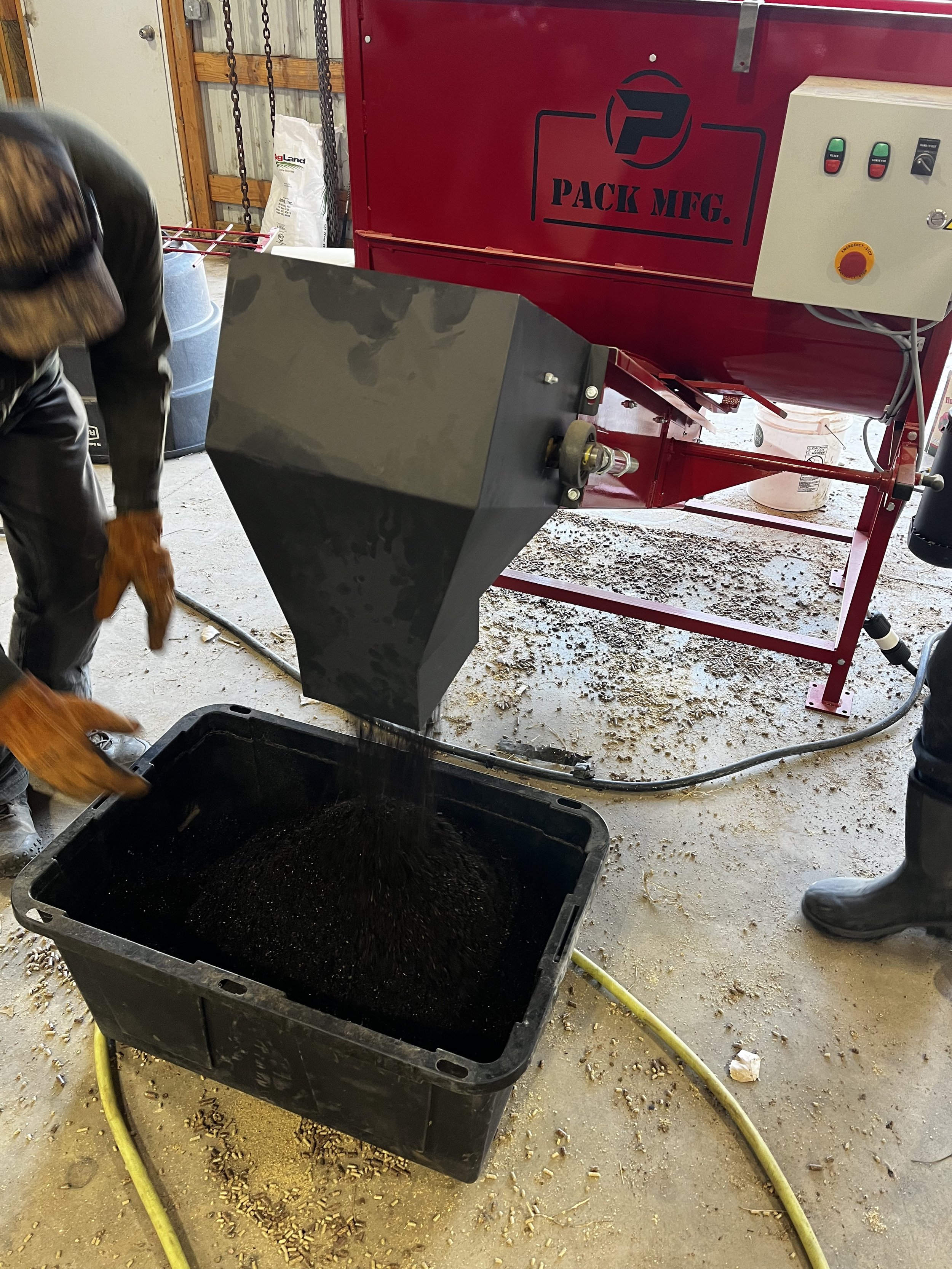
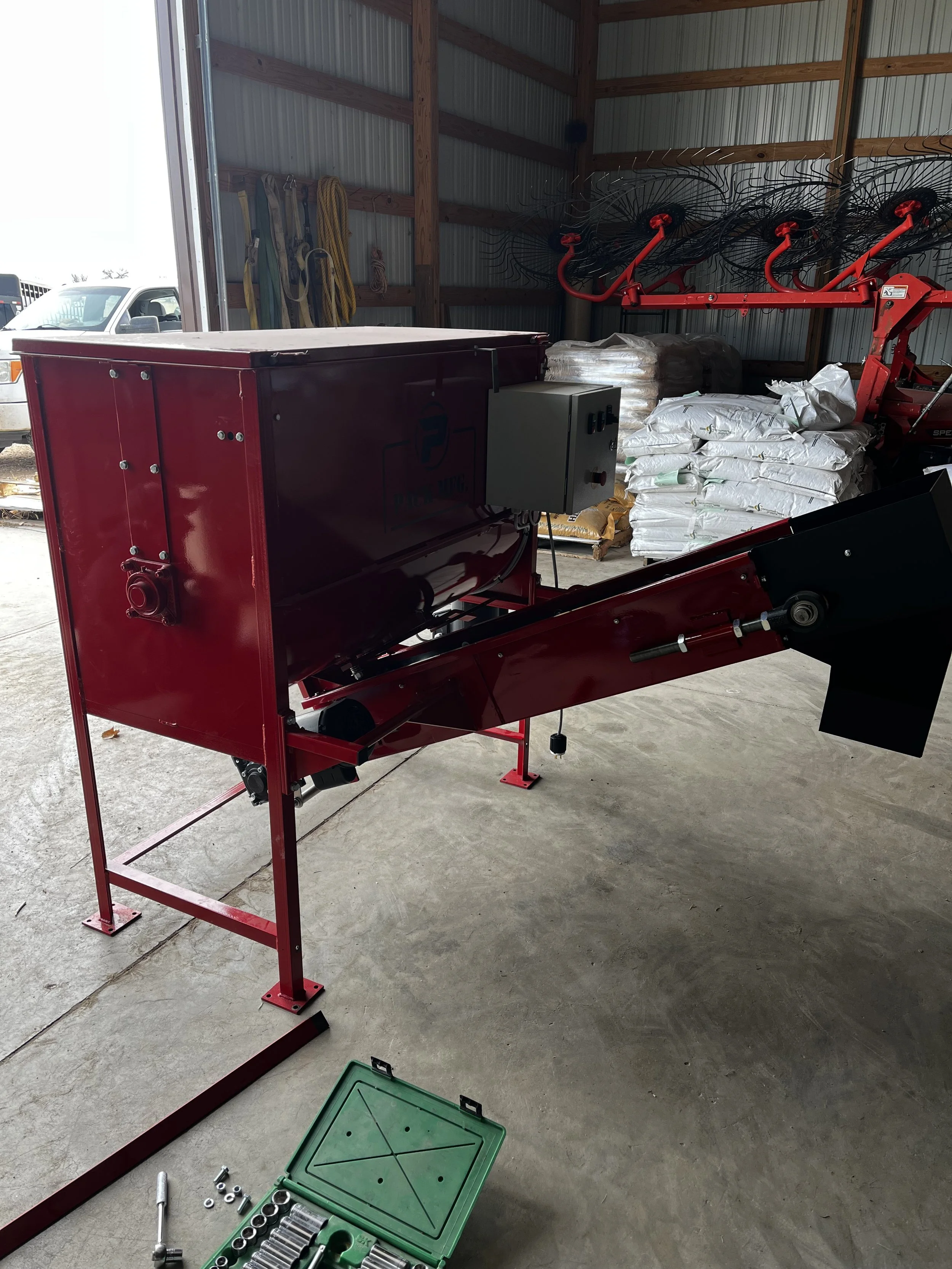
Now we can mix larger batches much more quickly and produce a much more homogeneous product. We've also been able to experiment with custom blends, and new products- dry mixes, mulch, inoculated biochar, and so much more.
The difference showed up pretty quickly.
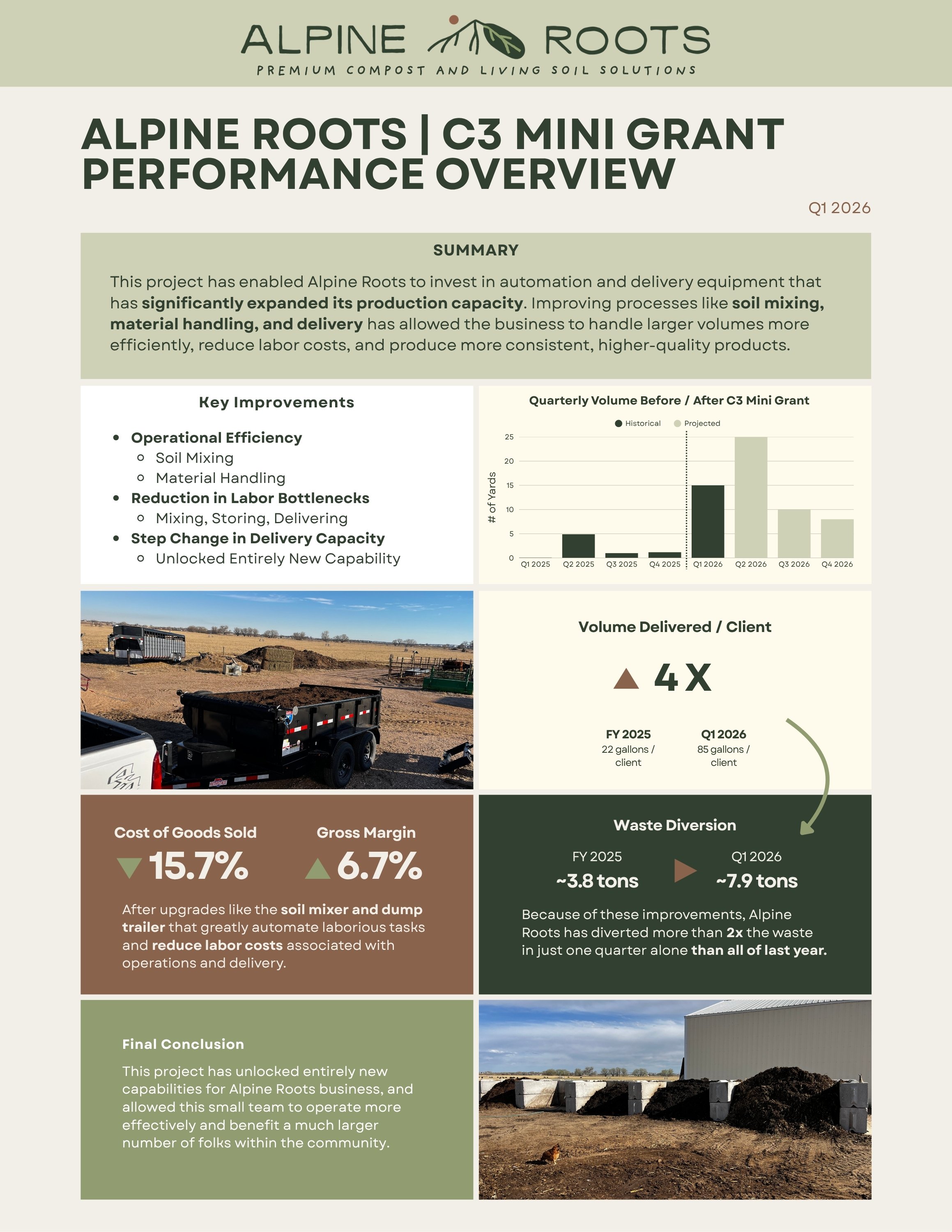
In all of 2025, we produced and sold about 7 yards of living soil.
In the first quarter of 2026, we produced and sold 15 yards, with more already on order.
At some point, we realized our bottleneck had changed. We weren't short on people anymore. We were short on raw materials.
That's a pretty satisfying problem to have.
WE could finally move more material, too
The truck and dump trailer changed things in a less glamorous, but equally important, way. We could pick up more material. We could make larger deliveries. We didn't have to rely on the same personal vehicle we'd been using to run both our lives and our business. And with more delivery capacity, customers didn't need to make as many trips out to the farm.
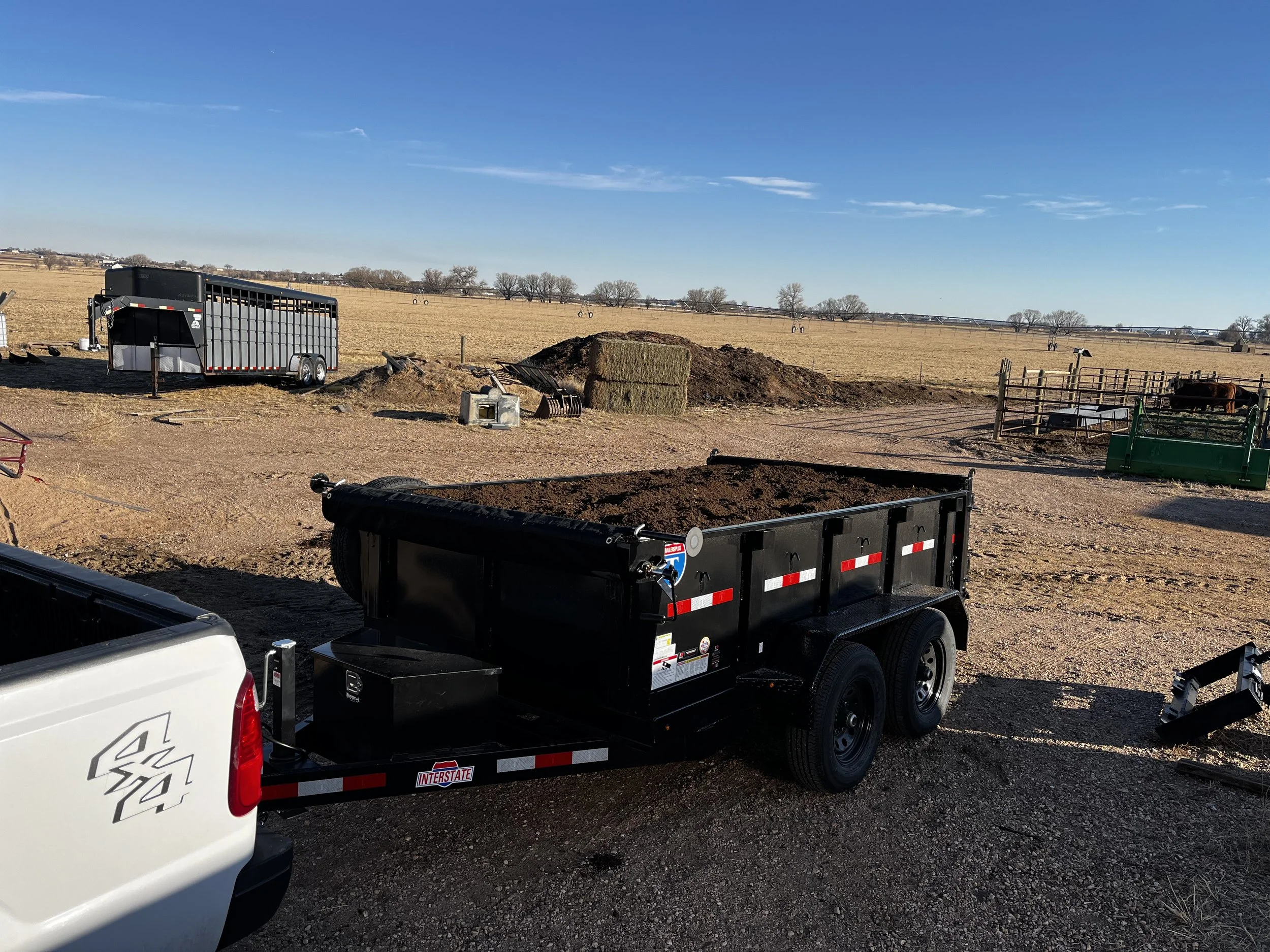
The scale of our deliveries changed, too:
In FY2025, we averaged about 22 gallons per client.
By Q1 2026, that number was about 85 gallons per client—nearly four times as much.
That increase has been especially meaningful because a bigger delivery usually means a bigger project. This year, we've been able to work with farms and gardeners who are using our products at a scale that simply wasn't practical for us before.
And that means more waste gets put to work
This is the part we're probably happiest about. Our goal has never really been to move as many yards of soil as possible just for the sake of moving soil. We're interested in what happens when materials that would otherwise be considered waste can stay in the local system and become something useful.
Willow Creek, the farm where we operate, has been a big part of that. As we've increased our capacity, we've been able to process more of the farm's manure and other organic materials—materials that previously accumulated on-site or could have ended up in the landfill.
In FY2025, we diverted about 3.8 tons of material.
In the first quarter of 2026, we diverted about 7.9 tons.
So in three months, we diverted more than twice as much material as we had in the entire previous year. That is probably the clearest example of the grant doing what we hoped it would do.
And we’ve created new connections
One of the coolest parts of this year has been seeing the equipment create opportunities we hadn't necessarily anticipated. We've worked with a farm customer to develop a custom compost and biochar blend based on their soil tests. We've set up a soil swap with a microgreens grower, taking their spent growing medium and returning finished soil.
And at Willow Creek, the additional infrastructure has helped us organize our composting system, replace the broken down wooden bays, and process more material on the farm.
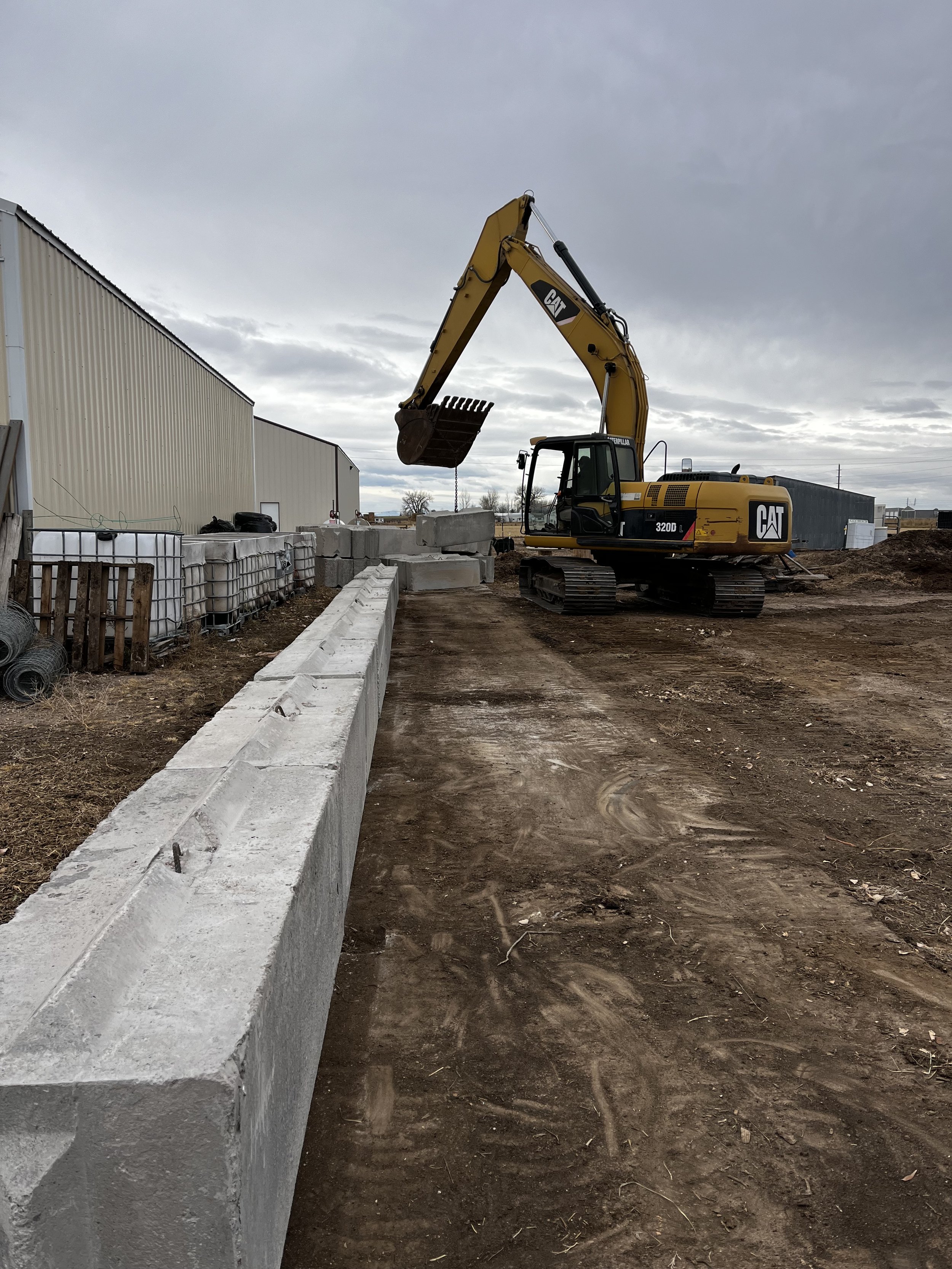
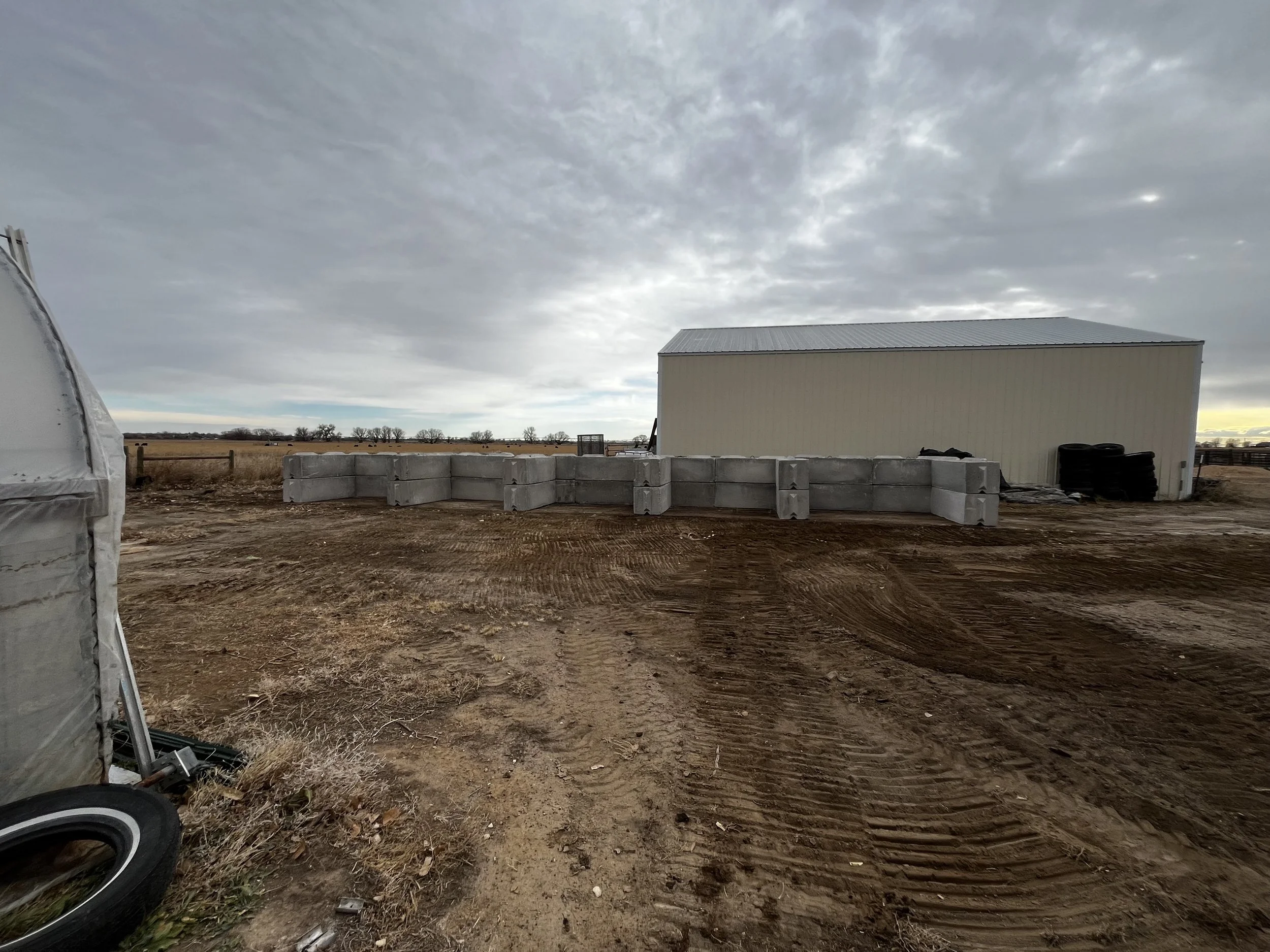
The equipment is ours, but the benefits don't stop with us. That's what we like most about the circular economy model: one improvement can create another opportunity, which creates another, and suddenly a waste stream becomes a resource for someone else.
By the numbers
What the grant really gave us
The easiest way to describe the impact of the C3 Mini Grant is that it helped us buy equipment. But that's not really what happened. It helped us remove the bottlenecks that were keeping us from doing the work we already knew we wanted to do.
We're still a small operation. We're still loading trucks, processing blocks by hand, getting our hands in the soil, and figuring things out as we go. But we're no longer spending nearly as much of our time fighting our own infrastructure. We can make more high-quality compost, material, deliveries, and we can process more waste.
Most importantly, we can serve a much larger group of growers, gardeners, farms, and community members than we could a year ago. And we’re so excited to do just that! For us, that's what this grant made possible.
Thank you
We're incredibly grateful to Colorado Circular Communities for believing in a small business like Alpine Roots and helping us make this next stage possible.
A grant like this has a very tangible effect on a small business. It takes things that might have been years away—equipment, infrastructure, capacity—and makes them possible now.
And we're already seeing the ripple effects.
Thanks for helping us help our community here in Northern Colorado.